From Tangrams to Touchscreens: The Shape Puzzle Lineage
Shape puzzles are among humanity's oldest toys. Tracing the line from ancient tangrams to a game on your phone explains why the genre refuses to die.
The tangram goes global
The tangram, seven flat pieces cut from a square, emerged in China and reached Europe and America in the early 1800s, where it triggered a full craze. Napoleon reportedly played in exile. The appeal was identical to today's: simple pieces, surprising depth, and the pleasure of a shape clicking into place.
Packing problems get serious
Through the twentieth century, shape puzzles went academic. Mathematicians studied rectangle packing, tessellation and polyform assemblies, discovering that simple pieces create problems whose difficulty no one can predict in advance. Pentominoes, Soma cubes and their descendants all live in this territory.
The touchscreen was the missing hand
Shape puzzles lived on coffee tables for two centuries because they are tactile: you need to grab, turn and slide. Early computers could display the pieces but could not feel them. The capacitive touchscreen finally gave the genre its missing hand, direct manipulation of a shape with an actual finger.
What Piece Out inherited
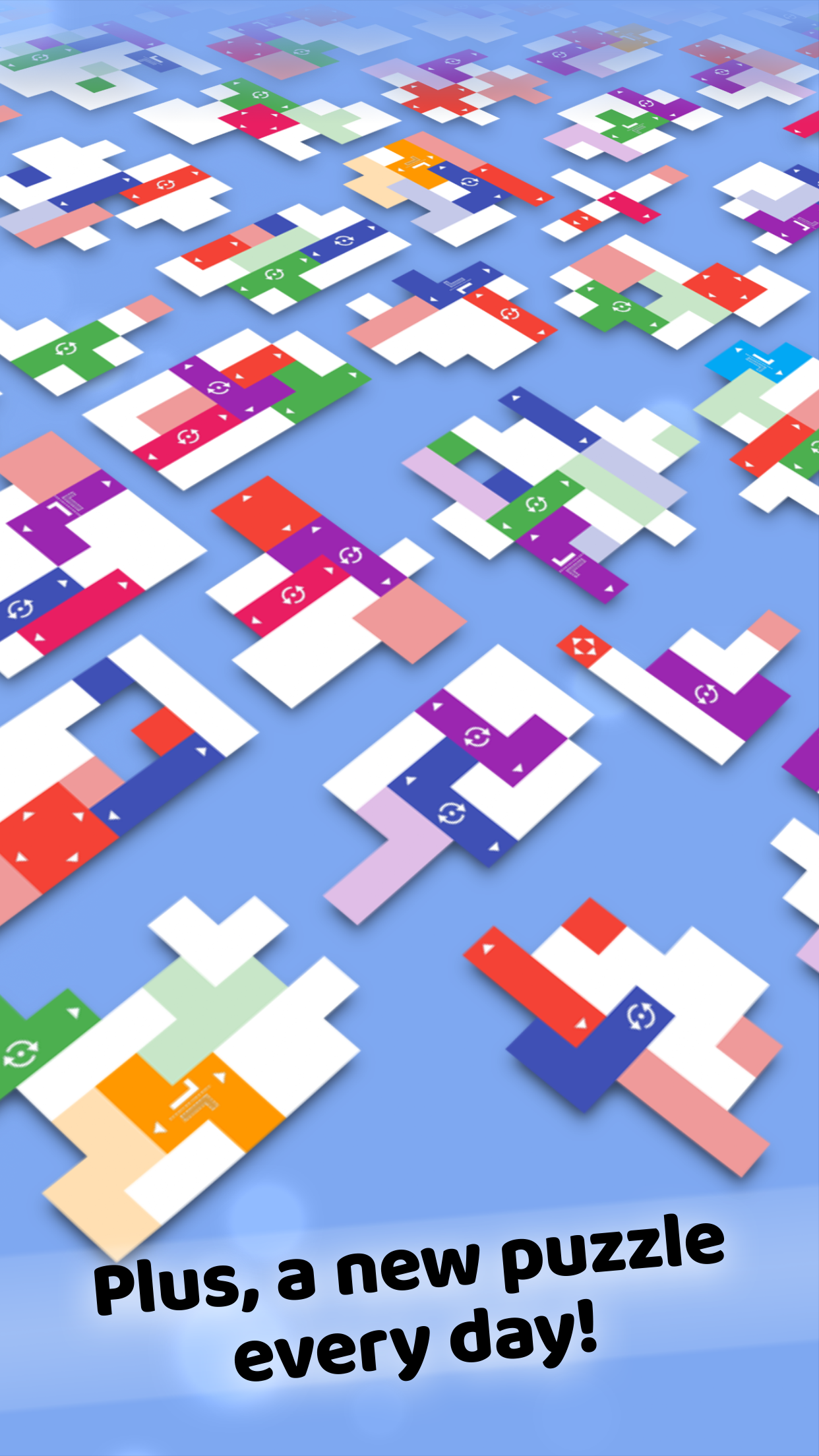
Piece Out sits at the end of this line: polyomino shapes from Golomb, sliding constraints from block puzzles, tangram's flat clarity in its art. What it adds is the piece-level rule system, each shape carrying instructions on its face, a genuinely new mechanic in a genre two centuries old.
Key takeaways
- Tangrams caused an international craze in the 1800s
- Packing problems became a serious maths field
- Touchscreens restored the tactile element puzzles need
- Piece Out's piece-level rules are the genre's newest twist
Kumobius Level Team
The Melbourne-based designers who built the Piece Out campaign and still tune every board by hand.
About this topic
Common questions readers ask after this article. More answers live on the FAQ page.
Play the puzzle behind the article
Piece Out is free on Google Play: 700+ boards, a daily puzzle, and zero timers. Download it and test the ideas from this post yourself.